 #1Best Overall
Focus & Memory
The Brain Song
A 12-minute daily audio track built to pull your brain into a focused state.
Humidity is the one resource most of India has in abundance
Offer and offer verified September 2026. Build materials are sourced separately by the builder and are not part of the download.
This is a DIY build guide involving electrical components and water. Do not drink output from any home-built condensation unit without proper filtration and, ideally, testing — condensate collects whatever is in your air. Follow local electrical rules and use a qualified electrician for any mains connection.
Homeowners in humid regions who want a supplementary or backup water source and enjoy building things.
Water Freedom System is a set of blueprints for building an atmospheric water generator — a device that condenses drinking water out of humid air. The underlying technology is real and used commercially; what you are getting here is the documentation that simplifies it into a home build from parts you can source at a hardware market.
The physics is straightforward condensation: cool a surface below the dew point of the surrounding air and water forms on it. Your refrigerator and air conditioner do this constantly. The build collects that condensate deliberately, then filters it. The single variable that determines whether this is worth doing is humidity — and this is the rare product on this list where the Indian context is genuinely favourable. Coastal cities and the monsoon months offer exactly the conditions this needs. Dry inland summers do not.
You have the full picture above — what it is, how it works and who it is not for. The official page has the current details.
Get Instant Access →| Blueprints | IncludedFull build documentation and assembly diagrams |
|---|---|
| Component list | IncludedParts you source yourself at a local hardware market |
| Preparedness bonuses | IncludedWater storage and emergency planning material |
| Build materials | Sourced separatelyNot part of the download. Check the component list locally before committing |
| Filtration | Sourced separatelyNon-negotiable if you intend to drink the output |
Work out the full picture before you start, not after: the guide, the components, the filtration, and the electricity the unit will draw. That single step is the difference between a satisfying project and a disappointing one.
A real project for the right person in the right climate. If you live somewhere humid, enjoy building, and want a backup water source rather than a replacement for your supply, this is a genuinely interesting undertaking and the documentation is solid. If you are in a dry region or you are not going to build anything, the physics and the materials list will both work against you. Check the component list locally before you commit — that step alone will tell you whether this is for you.
Every product below is from the same shortlist — instantly downloadable and reviewed to the same standard.
#1Best OverallA 12-minute daily audio track built to pull your brain into a focused state.
 #2Best for Creative Work
A short theta-frequency audio session aimed at creative flow and idea generation.
 #3Best for Monthly Savings
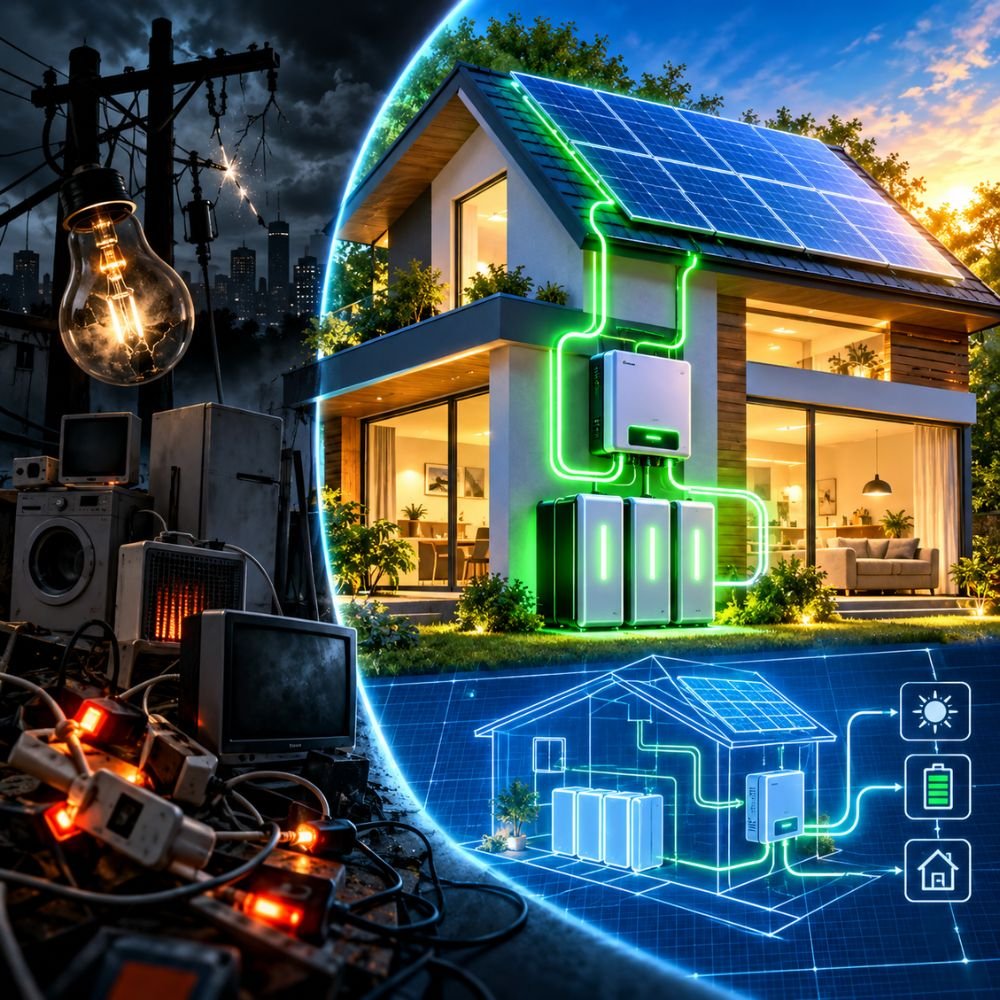
A DIY blueprint for cutting household electricity consumption and building backup power.
 #4Most Popular Gift
A personalised drawing and written reading of your future partner, delivered in about a day.
 #5Try Before You Commit
A personalised numerology report built from your name and date of birth.
 #6Biggest Library
A library of over 16,000 woodworking plans with diagrams and cut lists.
It depends almost entirely on humidity and temperature. High-humidity conditions produce substantially more than dry ones. Treat the vendor's headline figure as an ideal-conditions maximum, not an expectation.
Only with proper filtration. Condensate picks up whatever is in the air it forms from. Plan for filtration and, ideally, get the output tested before making it a drinking source.
Yes. The download is documentation. You source the components at your local hardware market — check the list before you commit to the build.
Humid conditions are exactly what this needs, so high-humidity months are when it performs best. Dry pre-monsoon months are its worst case.
Yes. It runs a cooling cycle, so there is a real power draw. Factor that into any savings comparison.
Check your city's average humidity across the year. Coastal and monsoon-heavy areas suit it well; dry inland regions do not, and no amount of good documentation changes the physics.
Everything on this page is what we found. The next step is the official page, where you can see the full details and decide for yourself.
Get Instant Access →